Cherry wood has long been one of the most respected and sought-after hardwoods in American woodworking. Known for its rich color, smooth grain, and excellent workability, Cherry has been used for centuries in fine furniture, cabinetry, and interior woodwork. But while Cherry is admired for its beauty, it is not the right wood for every application.
Let’s briefly examine Cherry wood’s strengths and weaknesses, ideal and poor-use cases, sustainability considerations, and where Cherry lumber sold in the United States typically comes from. If you are considering Cherry for a project or are concerned about environmental impact, this short guide will give you the context you need to make an informed decision.
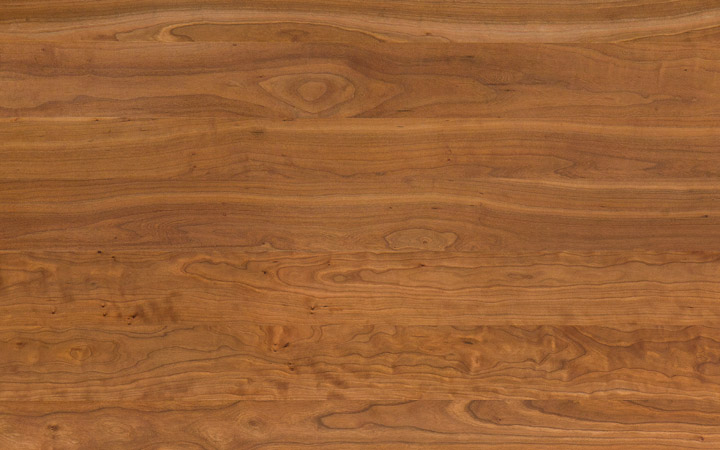
What Is Cherry Wood?
In the United States, “Cherry wood” almost always refers to Black Cherry (Prunus serotina). This species is native to eastern North America and is the primary commercial Cherry used in woodworking and furniture-making. While there are other Cherry species worldwide, Black Cherry is the one prized for lumber due to its size, color, grain consistency, and availability.
Cherry is classified as a moderately hard hardwood. It strikes a balance between durability and ease of use, making it a favorite among both professional woodworkers and serious hobbyists.

Where Cherry Wood Comes from in the United States
Most Cherry lumber sold in the U.S. is harvested domestically. The largest producing regions are the hardwood forests of:
- Pennsylvania
- New York
- Ohio
- West Virginia
- Michigan
- Virginia
Pennsylvania, in particular, is often regarded as producing some of the finest Cherry lumber in the world due to its climate and soil conditions. These forests regenerate naturally, and Cherry grows well alongside Maple, Oak, and other eastern hardwoods.
Because Cherry is native and widely available in the U.S., it does not typically require long-distance importing, which reduces transportation-related environmental impacts compared to exotic hardwoods.
Appearance, Grain & Color
Cherry wood is valued as much for how it looks as for how it performs.
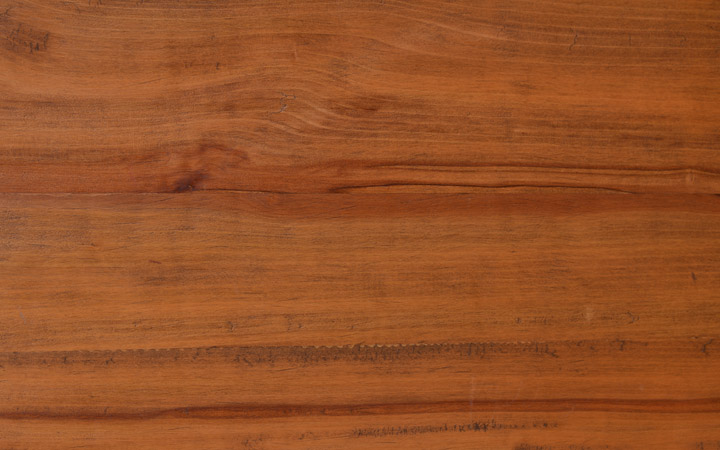
Freshly milled Cherry is usually a pale pinkish-brown, sometimes with golden tones. Over time, exposure to light causes Cherry to darken into a deep reddish-brown. This color change, known as oxidation and photo-darkening, is one of Cherry’s defining characteristics. Many woodworkers appreciate that Cherry furniture becomes richer and more beautiful as it ages.
The grain of Cherry is generally straight and fine, with a smooth, closed texture. Occasional figure such as curl or pitch pockets may appear, adding visual interest. Compared to woods like Oak, Cherry has a much more subtle grain pattern, which gives it a refined and elegant appearance.

Strengths of Cherry Wood
One of Cherry’s greatest advantages is its workability. It machines cleanly with both hand tools and power tools, sands easily, and takes glue and finish exceptionally well. Tear-out is relatively minimal when sharp tools are used, and Cherry turns beautifully on a lathe.
Cherry is also known for its dimensional stability. It tends to warp, cup, and twist less than many other hardwoods when properly dried and acclimated. This makes it reliable for furniture and cabinetry where tight joints and consistent dimensions matter.
Another major strength is Cherry’s aging process. Unlike woods that fade or discolor unpredictably, Cherry’s darkening is generally even and aesthetically pleasing when exposed uniformly. This makes Cherry furniture feel timeless rather than dated.
Finally, Cherry offers moderate strength and durability. While not the hardest hardwood, it is strong enough for most interior uses and holds up well under normal wear.

Weaknesses of Cherry Wood
Cherry’s limitations are important to understand before choosing it for a project.
One of its primary drawbacks is that it is softer than many other hardwoods. With a Janka hardness of about 995, Cherry dents more easily than Oak, hard Maple, or Hickory. This makes it less suitable for high-impact or heavy-wear surfaces.
Cherry is also sensitive to light exposure. Uneven exposure during storage or after installation can result in color differences. Rugs, table runners, or objects left in place for long periods can leave lighter areas underneath.
Cost can also be a consideration. Cherry is more expensive than many domestic woods such as Poplar or Red Oak. While it is generally less expensive than Walnut or exotic hardwoods, it still sits in the higher mid-range of lumber pricing.
Lastly, Cherry has poor natural resistance to moisture and decay, making it unsuitable for outdoor use unless heavily treated.

Ideal Applications for Cherry Wood
Cherry excels in interior applications where beauty, stability, and workability are priorities.
It is especially well suited for fine furniture such as tables, chairs, dressers, desks, and bed frames. Cherry’s smooth grain and warm color make it a traditional favorite for heirloom-quality pieces.
Cherry is also commonly used for kitchen cabinetry, built-ins, and architectural millwork. Its ability to take finishes evenly allows for consistent coloring across large installations.
Woodturners often choose Cherry for bowls, vases, and decorative objects because it cuts cleanly and finishes smoothly. It is also used in musical instruments and speaker cabinets due to its favorable acoustic properties.
Interior trim, paneling, and veneer are additional areas where Cherry performs exceptionally well.

Applications Where Cherry Should Be Avoided
Cherry is not a good choice for outdoor furniture, decks, or exterior siding. It lacks the natural rot and insect resistance of woods like Cedar, Teak, or Redwood.
It is also not ideal for heavy-use flooring in busy households or commercial spaces, where dents and scratches are more likely. While Cherry flooring exists, it requires a willingness to accept wear as part of the wood’s character.
For butcher blocks and cutting surfaces, harder woods such as hard Maple are generally preferred. Cherry’s softness makes it more susceptible to knife marks and surface damage.

Sustainability & Environmental Impact
Cherry wood can be a sustainable choice, but this depends on how it is sourced.
Because Black Cherry is native to North America and grows abundantly in managed forests, it can be harvested responsibly without depleting forest resources. Many U.S. forests operate under long-term management plans that promote regeneration, biodiversity, and soil health.
Cherry trees regenerate naturally, and selective harvesting can actually improve forest structure by allowing younger trees and understory plants to thrive. When harvested responsibly, timber production can support forest conservation rather than harm it.
For environmentally conscious buyers, looking for certification such as FSC (Forest Stewardship Council) or SFI (Sustainable Forestry Initiative) is important. These certifications indicate that the wood was harvested according to standards that protect ecosystems, wildlife habitat, and forest workers.
Buying domestically sourced Cherry also reduces the carbon footprint associated with transportation when compared to imported exotic hardwoods.

Should Environmentally Minded Buyers Choose Cherry?
If you care about forests and the environment, Cherry can be a responsible choice when purchased thoughtfully. Supporting sustainably managed forests helps keep land in forest use rather than being converted to development or agriculture.
There is also value in choosing reclaimed or salvaged Cherry lumber when available. This extends the life of existing wood and reduces demand for newly harvested material.
Simply buying Cherry does not automatically benefit forests, but buying responsibly sourced Cherry can contribute to healthier forest management systems.

J Gibson McIlvain: Your Trusted Cherry Wood Supplier
Cherry wood remains one of the most beloved hardwoods for good reason. It offers a rare combination of beauty, stability, and workability, and it ages with grace rather than deterioration. While it is not the hardest or most weather-resistant wood, its strengths make it ideal for furniture, cabinetry, and fine interior woodworking.
For woodworkers, designers, and homeowners seeking a warm, timeless material with domestic origins and sustainability potential, Cherry wood is often well worth the investment – provided it is used in the right applications and sourced responsibly.
For more information on Cherry wood and to see if it is the right wood for your project, contact your J Gibson McIlvain representative today.
Editor Note: A; C.